Denver Shower Pan Inspection: Spot a Failed Liner Before Tile Goes In
Cut corners, improper drain assembly, and failed waterproofing — the warning signs every homeowner should know before tile hides the problem.
Project Overview
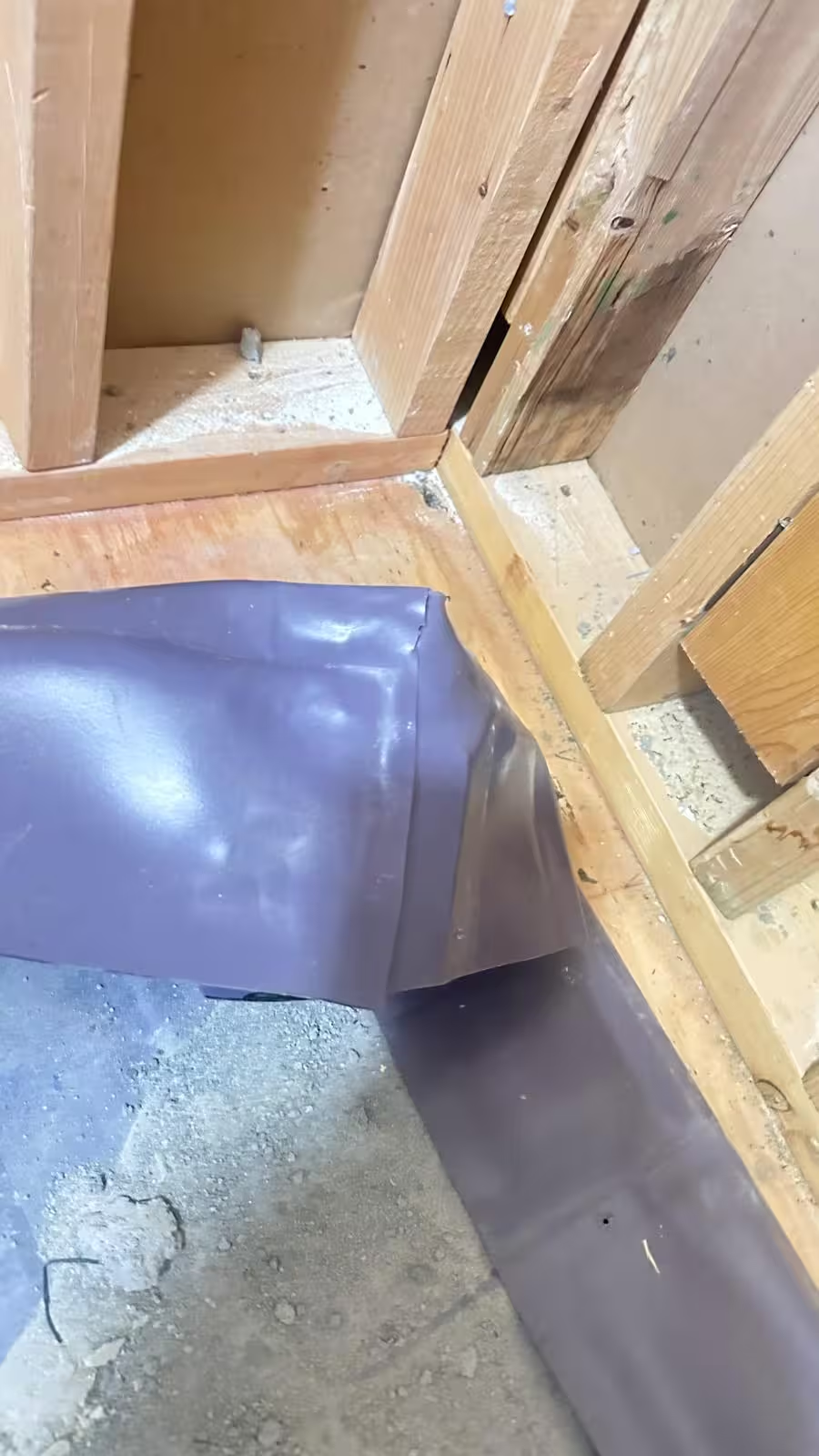
This page is a little different from a standard shower remodel portfolio. The client contacted us to inspect a shower pan that had already been built by another contractor. From the first visit, the installation showed obvious warning signs, and we told the homeowner the safest next step was to stop and verify whether the pan was actually watertight before any tile work continued.
To check it, we placed a test plug in the drain and performed a quick diagnostic water test. We only added a small amount of water, roughly half a bucket, and water immediately leaked out from underneath the shower pan. That confirmed what the visual inspection had already suggested: the pan had been built incorrectly, and continuing the project would have put the homeowner at risk of losing much more money later.
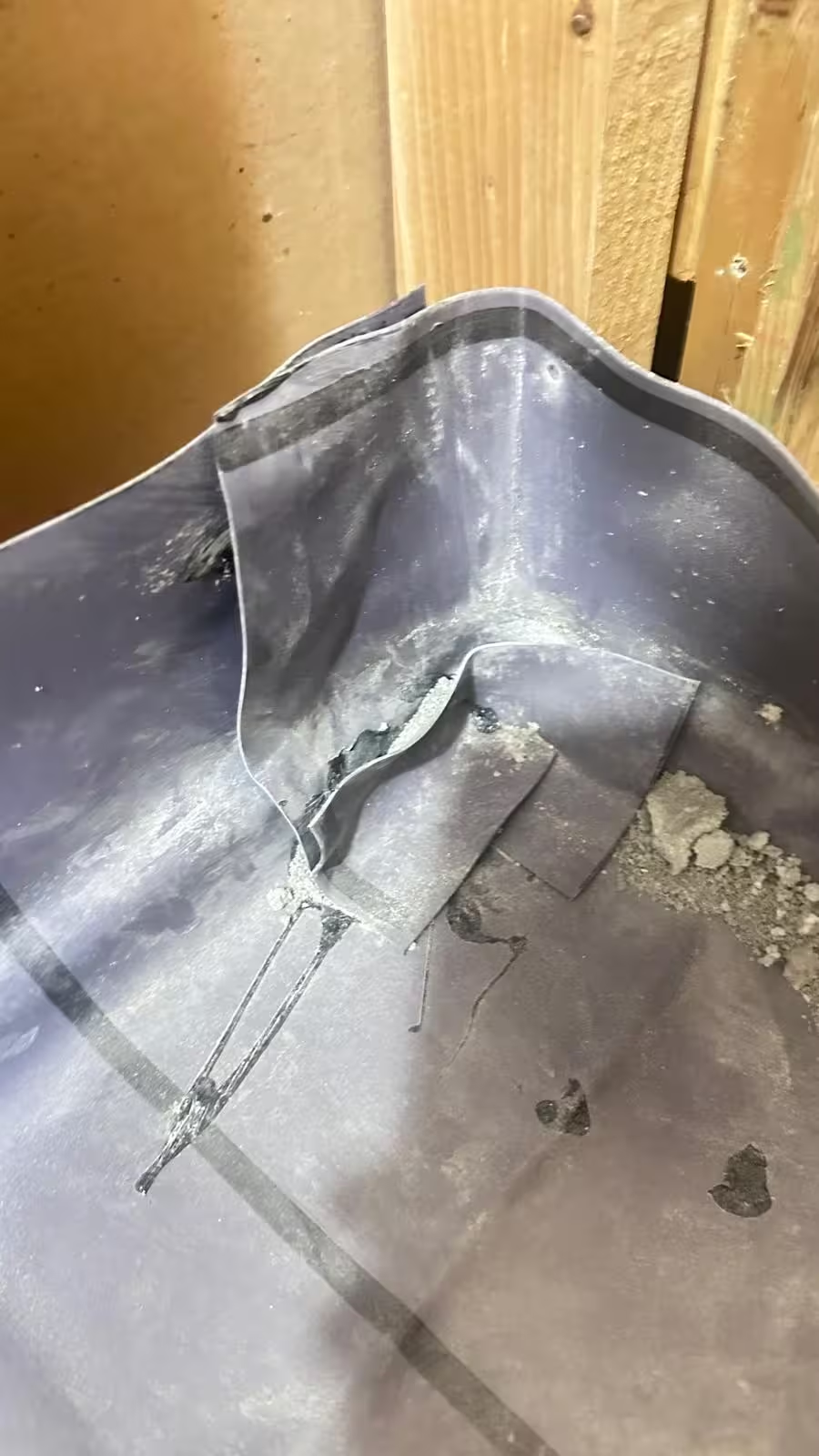
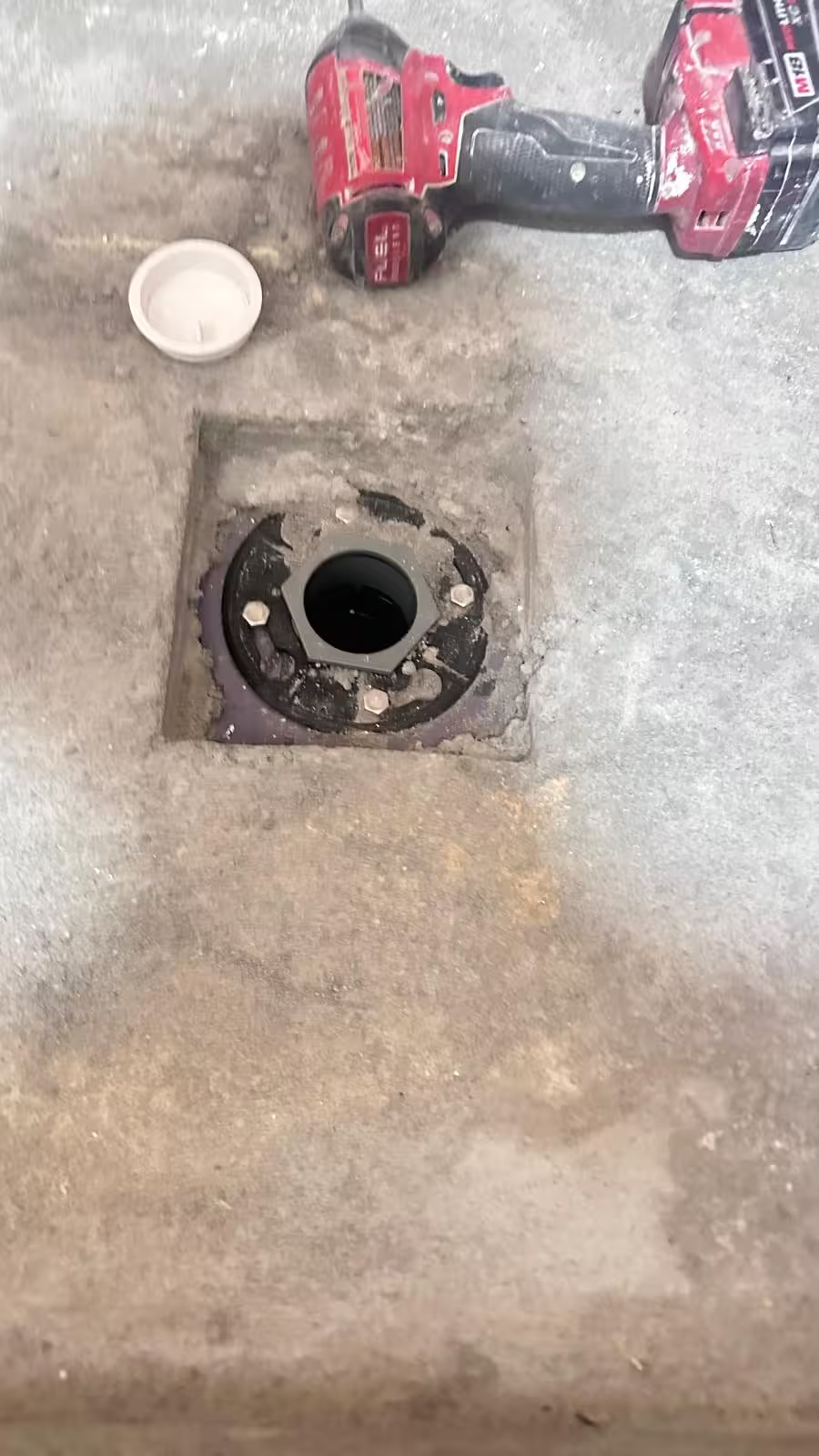
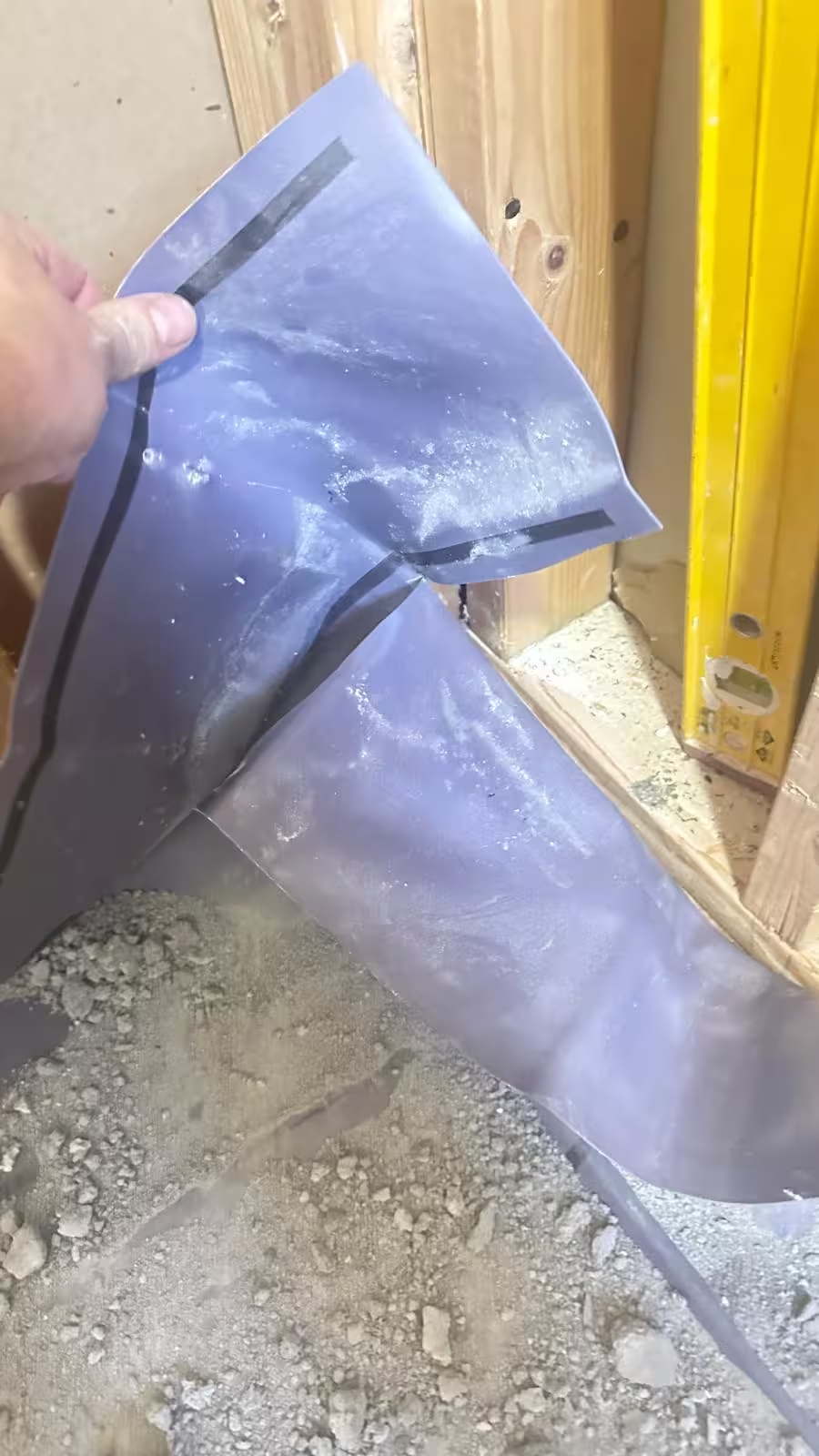
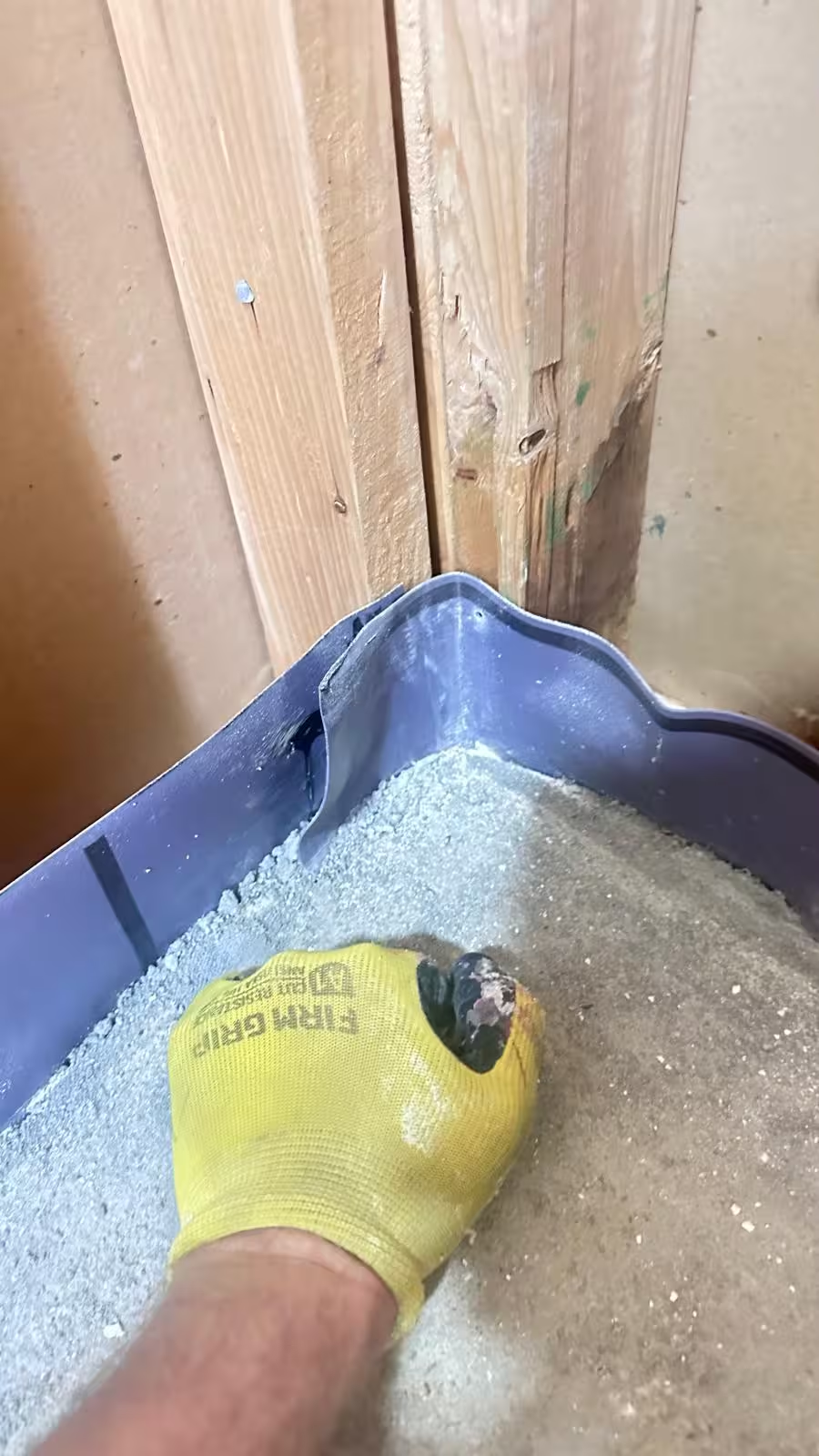
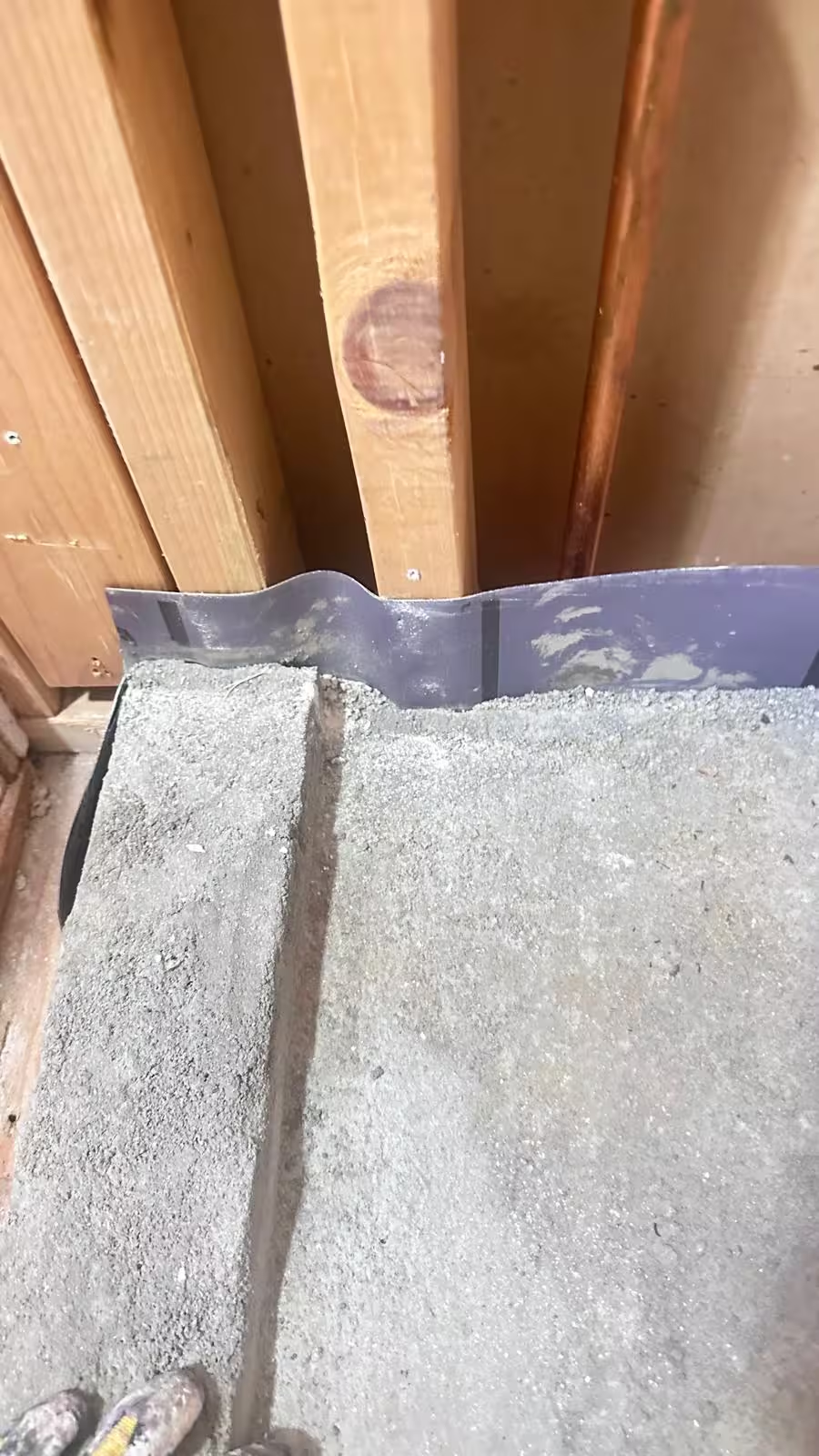
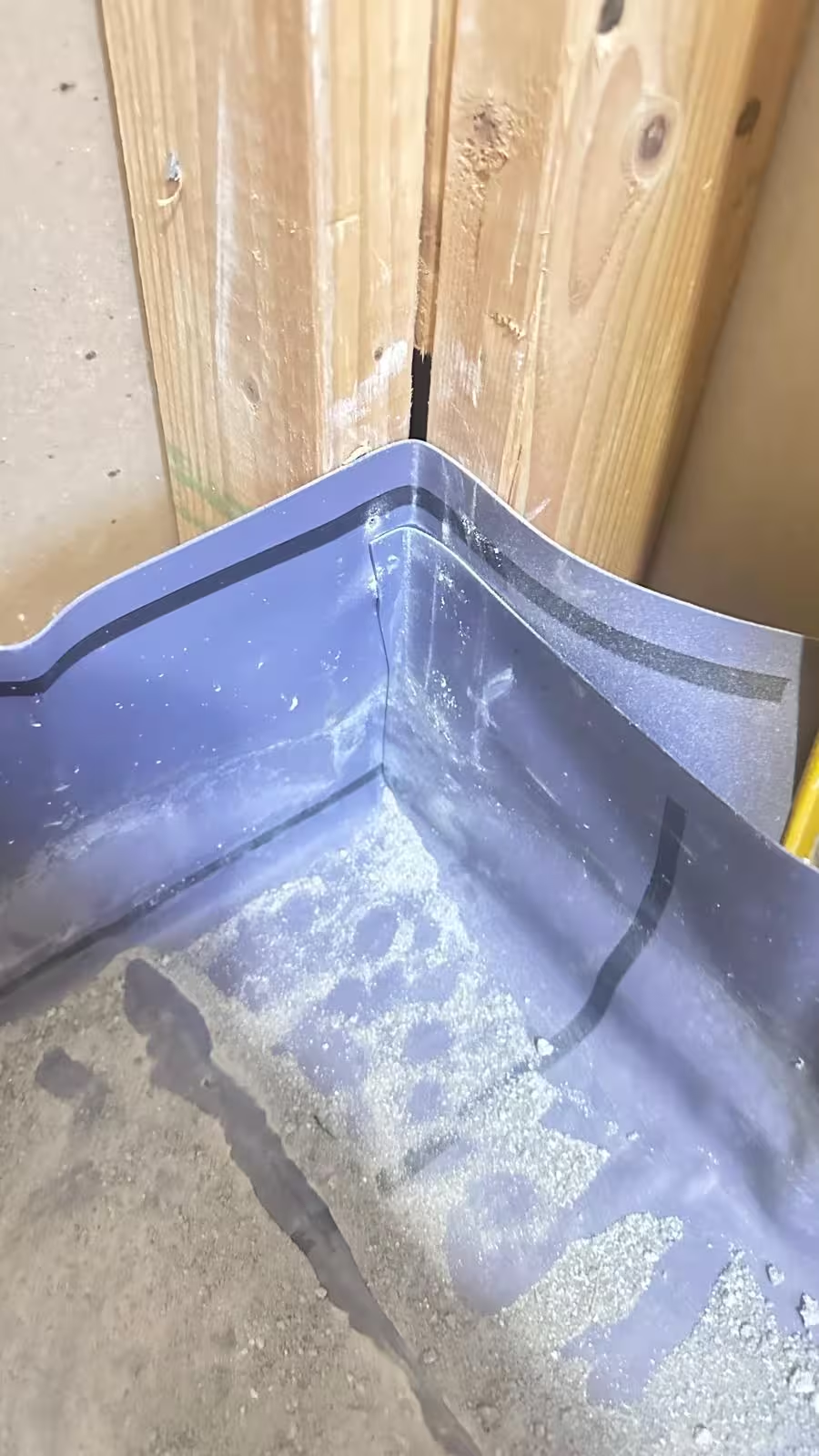
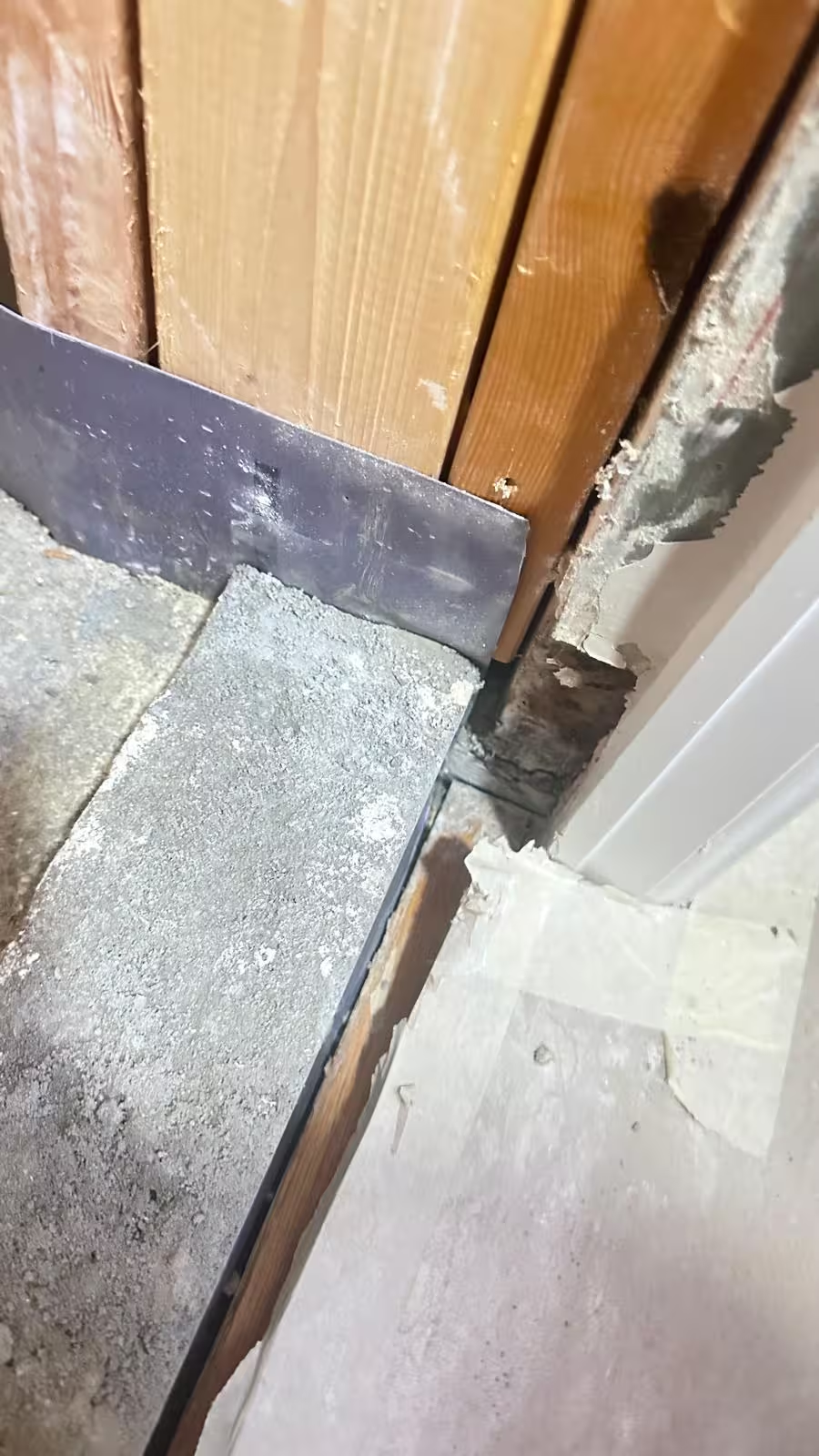
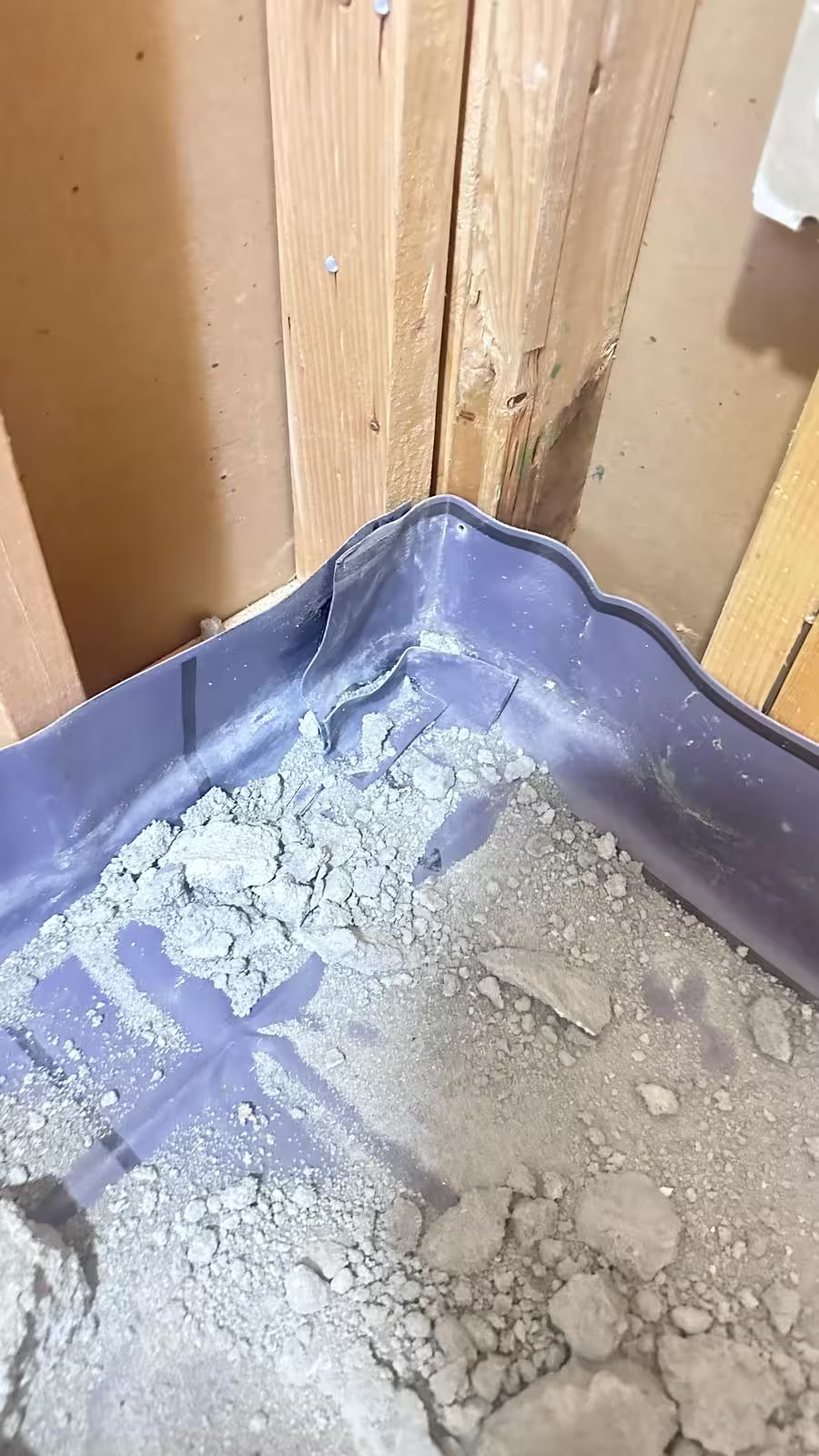
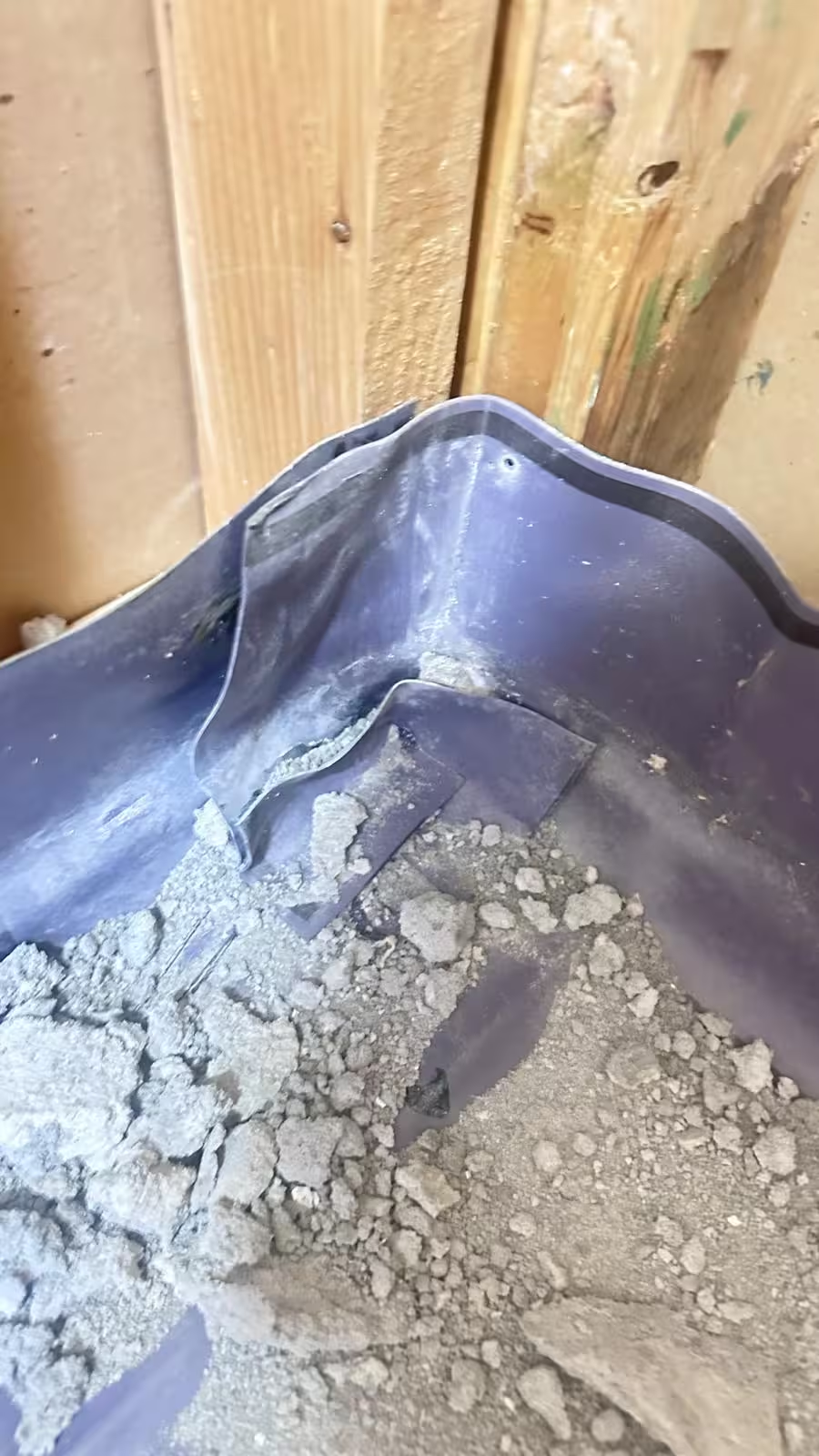
After that inspection, the problem was no longer theoretical. The shower pan showed multiple installation errors, including cut and mishandled liner corners, missing or incomplete adhesive work at the corner folds, and an improperly assembled drain connection. This is exactly the kind of situation homeowners need to catch before mortar, tile, and glass hide the problem.
Inspection Summary
Location
Denver metro area, CO
Project Type
Shower pan inspection
Finding
Failed pan — leak confirmed
Outcome
Stopped before tile — saved client from major loss
Issues Found
- Cut inside liner corners
- Missing corner adhesive
- Improper drain assembly
- Pan leaked immediately on test
The Challenge
The hardest part of bad shower pan work is that it often looks unfinished but still “close enough” to someone who does not build showers every day. A homeowner may see liner material in place and assume the waterproofing is done. In reality, a traditional liner system only works when every part of the sequence is done correctly and in the right order.
In this case, the danger was not cosmetic. The danger was that the shower pan appeared to be headed toward failure before the tile phase had even started. Once tile goes in over a defective liner, the cost of fixing the problem becomes much higher because the shower usually has to be torn back out to the framing or subfloor.
Our Solution
Inspection, diagnosis, and consumer protection — not a finish project
Diagnostic Water Test
We performed a quick field check using a drain plug and a small amount of water. That was not intended to replace a full code-level flood test. It was a practical first check to answer one simple question: does this pan hold water at all? In this case, it did not. Water escaped almost immediately, confirming what the visual inspection had already suggested.
Visual Inspection of Installation Details
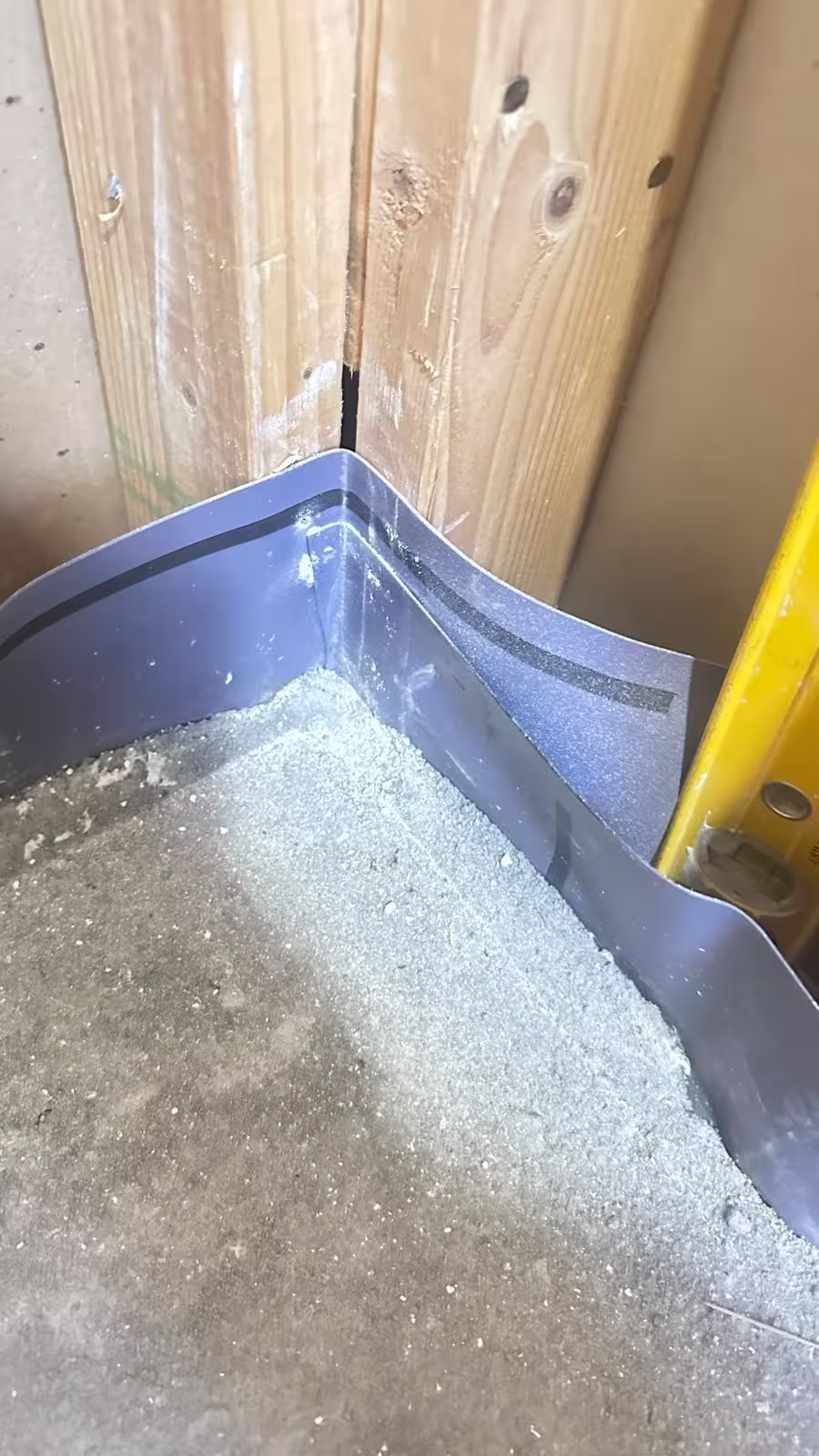
We reviewed the visible installation details. The liner corners had been cut and handled incorrectly. Areas that should have been folded, bonded, or protected were left vulnerable. The drain connection also appeared to be incomplete or assembled incorrectly for a traditional clamping-drain shower pan. On a liner system, the drain area is one of the most important waterproofing points in the whole shower.
Homeowner Consultation
We explained to the client that the right move was to stop the project before more materials went in. A shower pan is not something to “hope for the best” on. If the liner is cut, if the corners are mishandled, if the drain assembly is not sealed and clamped correctly, or if the pan leaks during testing, the installation should not move forward. The client was able to see the problem with their own eyes and make an informed decision.
Inspection Gallery
What a failed shower pan installation actually looks like before tile hides it
Technical Standards
What the industry says about proper shower pan liner installation
- ASTM D4551 — PVC flexible sheeting for concealed water-containment membranes
- 1/4" per foot slope to drain per Oatey guidelines
- Fold inside corners — never cut per Oatey
- Preformed dam corners at curb-to-jamb transitions
- X-15 adhesive for PVC liner bonding
- Silicone around inner flange before clamping ring
- Do not block drain weep holes with liner or silicone
- No fasteners low on curb or in the wet area
- Staples only at top 1/2" of liner
- Flood test minimum 4 hours before tile per Oatey
The Results
The most important result here was not a finished shower. It was clarity. The client got proof, before tile installation, that the shower pan had been built incorrectly and was already leaking.
That matters because homeowners often discover these problems only after the shower is complete, when water damage begins showing up in adjacent rooms, ceilings, or framing below. In this case, the inspection happened early enough to prevent even bigger losses. The homeowner was able to see the problem with their own eyes and understand why this type of workmanship should never be accepted as “good enough.”
What Clients Say
Brian & Laura T.
Denver
“We had a gut feeling something wasn’t right with our contractor’s shower pan work. South Denver Tile Experts came out, did a quick water test, and confirmed the pan was leaking. They saved us thousands by catching it before tile went in. Honest, knowledgeable, and exactly what we needed.”
Kevin M.
Lakewood
“I wish I had called these guys before my first contractor started. The inspection was eye-opening — cut corners, bad drain assembly, the whole thing was wrong. They explained everything clearly and helped me understand what a proper shower pan should look like. Worth every minute.”
Frequently Asked Questions
Common questions about shower pan inspections, liner failures, and what to do next
The biggest warning signs are cut inside corners, missing or poorly bonded dam corners at curb transitions, liner penetrations in the wrong places, improper drain assembly, and any pan that leaks during testing. Traditional liner pans rely on a precise sequence, and those details are not optional.
Inside corners are supposed to be folded, not cut. Oatey specifically warns that many installers incorrectly cut the liner corners and then try to bond them, when the correct approach is to fold those inside corners. Where cuts are necessary at the curb and jamb area, preformed dam corners are used to waterproof that transition.
The accepted sequence is to secure the drain base to the subfloor, create the pre-slope, install the liner over that slope, apply silicone at the inner flange, clamp the liner with the drain ring, and then continue with the mortar bed and tile assembly. Oatey’s guide also calls for a slope of one-quarter inch per foot toward the drain.
Because the drain is where the waterproof liner has to be mechanically sealed into the system. Oatey’s liner guide says silicone is applied around the inner flange before the clamping ring is installed, and its waterproofing guidance also warns not to block the drain weep holes with excess liner or silicone.
Yes. Oatey says flood testing is a critical step before tile and grout are installed and recommends using a pneumatic or mechanical test plug, with a minimum testing time of four hours. A quick water check can sometimes reveal an obvious failure fast, but it does not replace a proper flood test.
That creates a leak path. Oatey warns that penetrating the waterproof membrane can lead to shower failure and says fasteners should not be placed low on the curb or low in the wet area. Its installation guide also limits staples to the top portion of the liner.
Yes. ASTM D4551 covers PVC flexible sheeting used for concealed water-containment membranes in showers and other wet installations where long-term reliable performance is essential. Oatey says its 40 mil PVC shower pan liner meets ASTM D4551.
Stop the project before tile goes in and have the pan inspected. If the liner corners are cut, the drain is not assembled correctly, adhesives are missing, or the pan fails testing, continuing the installation usually means paying twice: once for the bad work and again for the tear-out and rebuild. The safer move is to rebuild the pan correctly before finish materials hide the failure.
Related Services & Resources
Shower Pan Repair Denver
Custom shower pan repair and reconstruction
Shower Leak Repair Arvada
Full shower rebuild after water damage
Shower Remodeling Denver
Custom shower remodels throughout Denver
Where to Browse Tile
Planning a shower rebuild? Browse tile options from these retailers:
Get a Free Shower Pan Inspection Quote
Concerned about your shower pan? Tell us about the situation and we'll help
Request a Free Quote
Need a Shower Pan Inspection in Denver?
We specialize in shower reconstruction, custom shower pans, waterproofing diagnostics, and corrective work after failed installations throughout the Denver metro area.