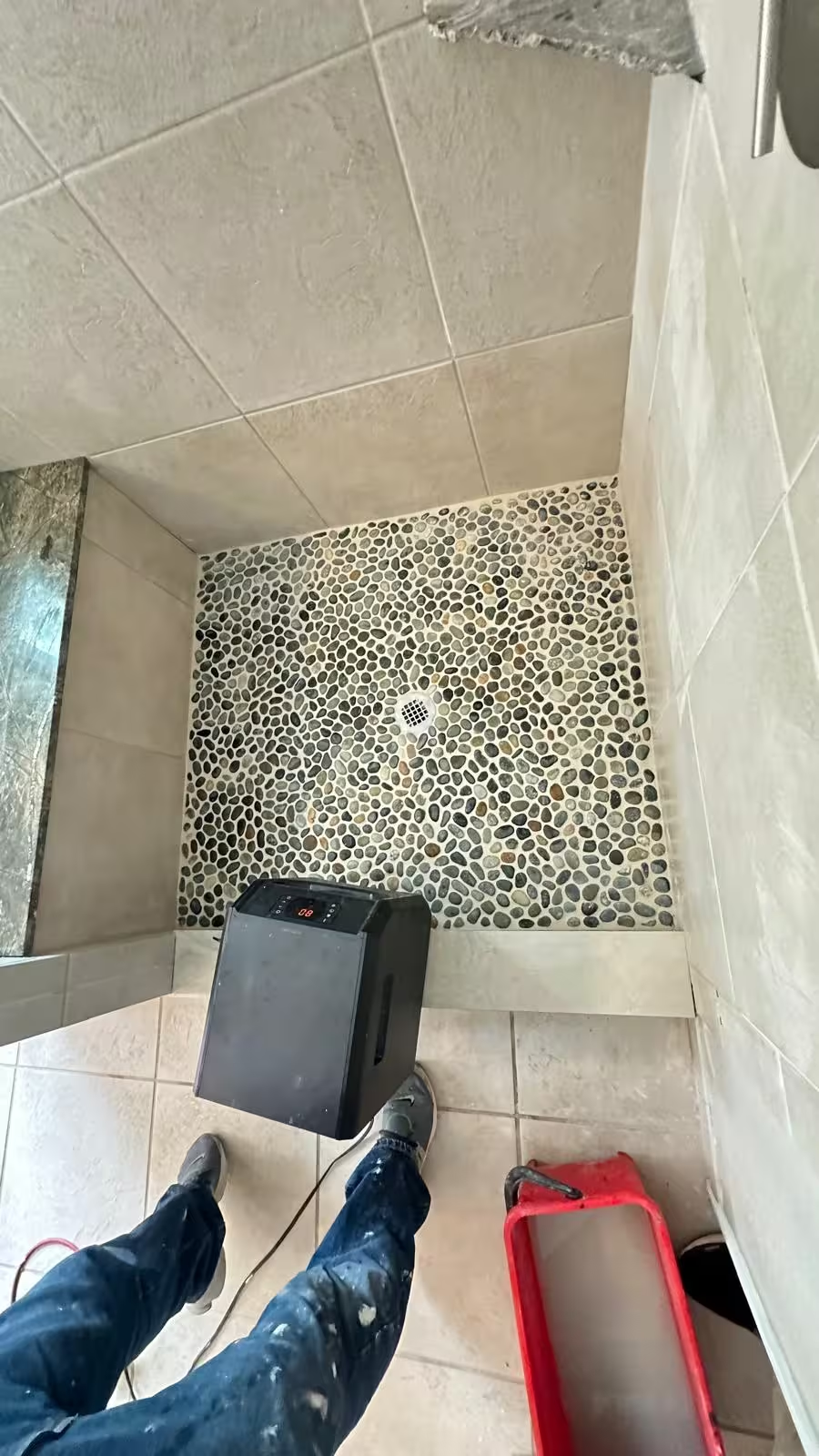
DTC Shower Pan Repair: Fixing a Leaking Base Before Ceiling Damage Got Worse
Targeted pan rebuild after ceiling leaks — new pre-slope, PVC liner, RedGard waterproofing, and mosaic floor without tearing out the entire shower.
Project Overview
This project in the DTC area started with a very specific problem: the homeowner noticed leaks showing up on the ceiling below the shower. Instead of pushing for a full bathroom remodel right away, the goal was to determine whether the shower pan could be repaired correctly without tearing out everything above it.
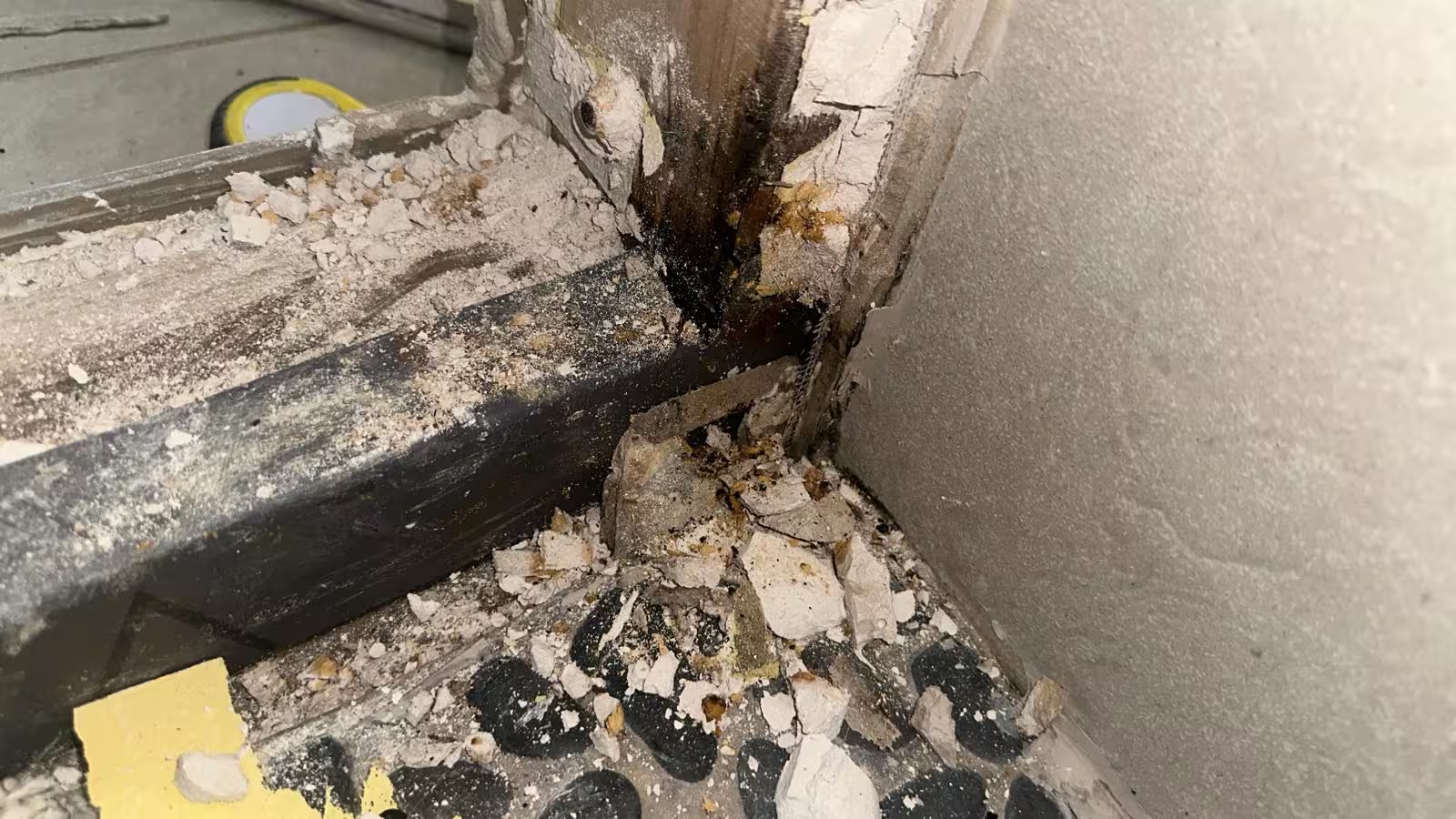
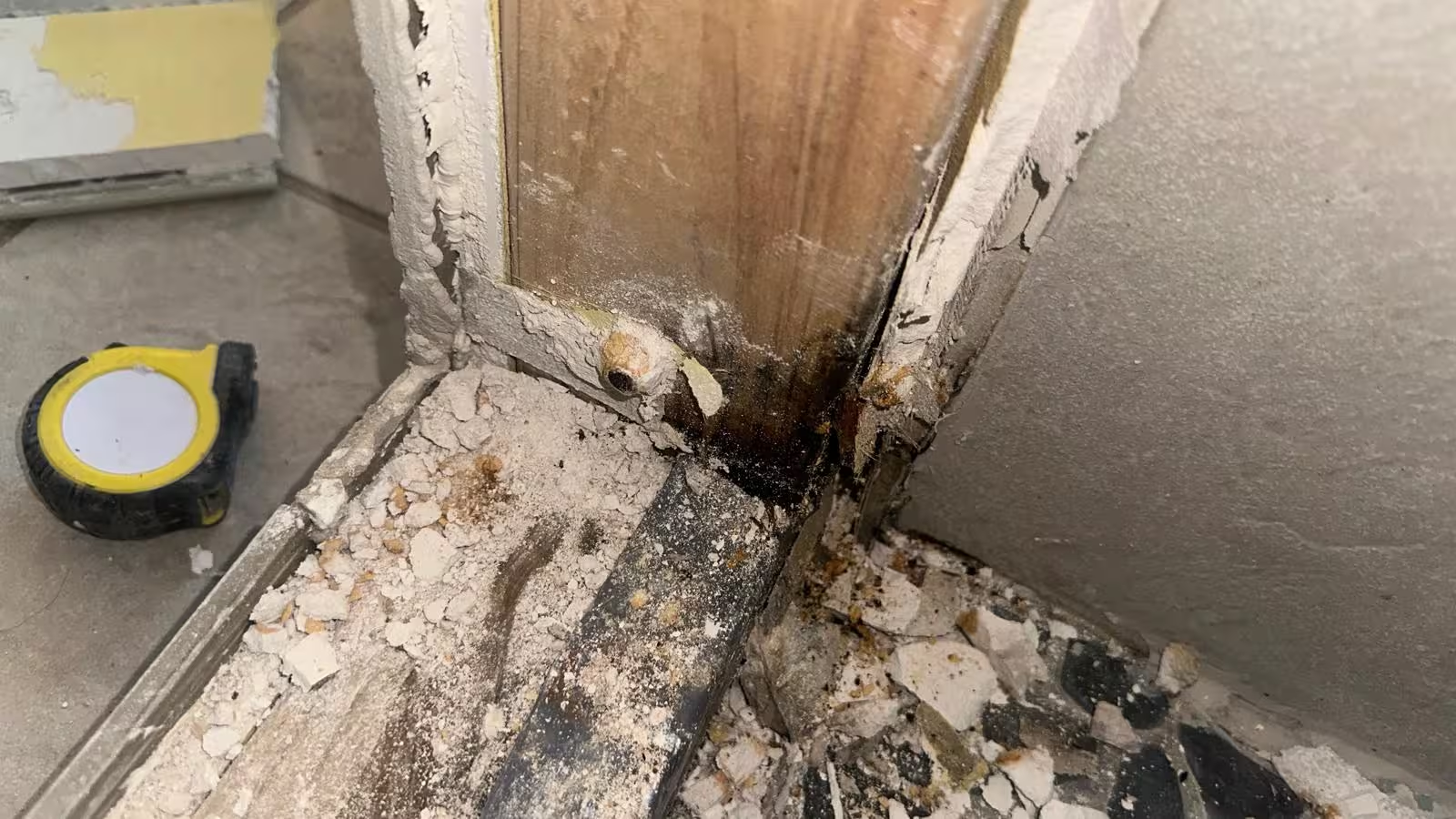
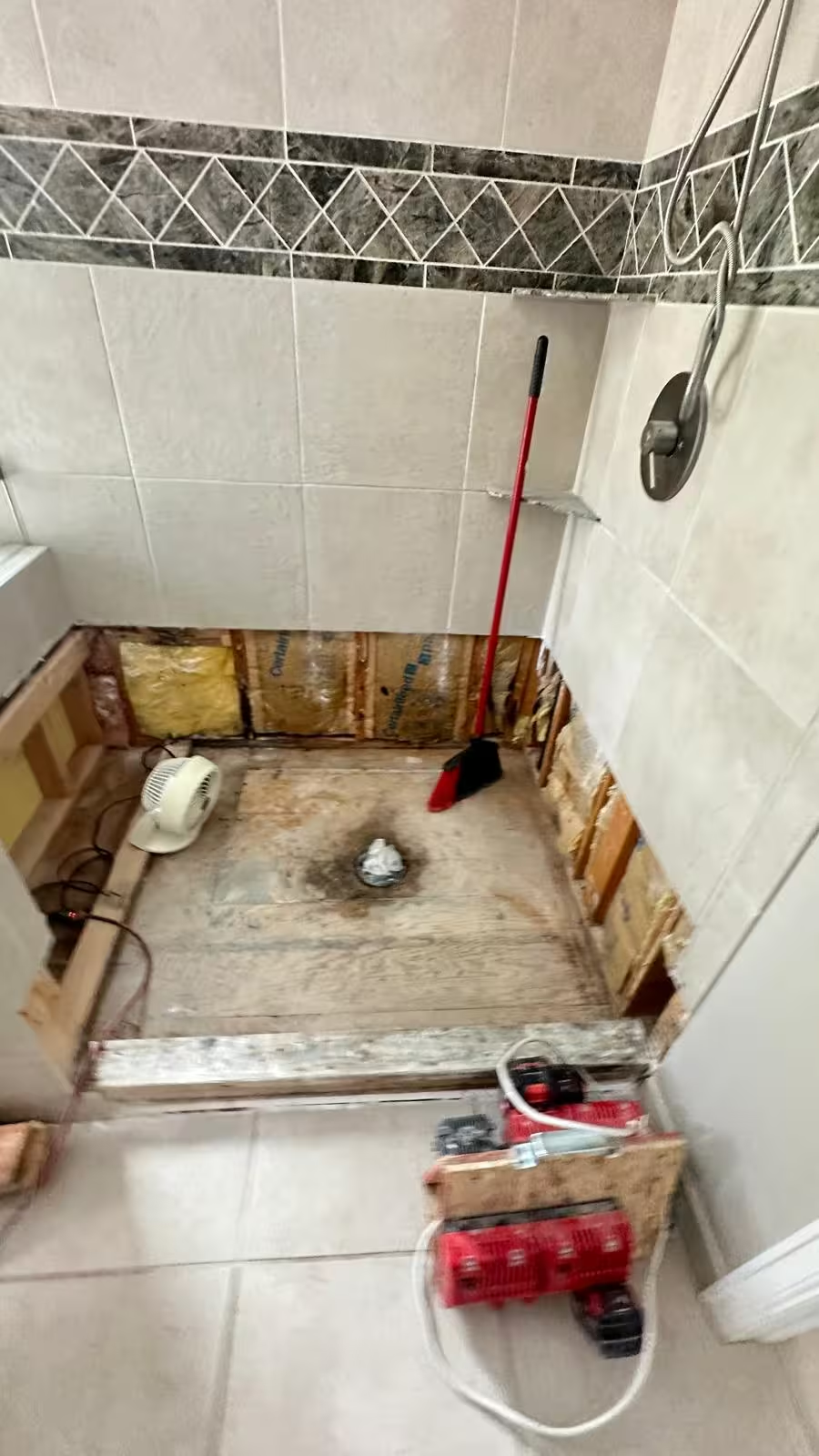
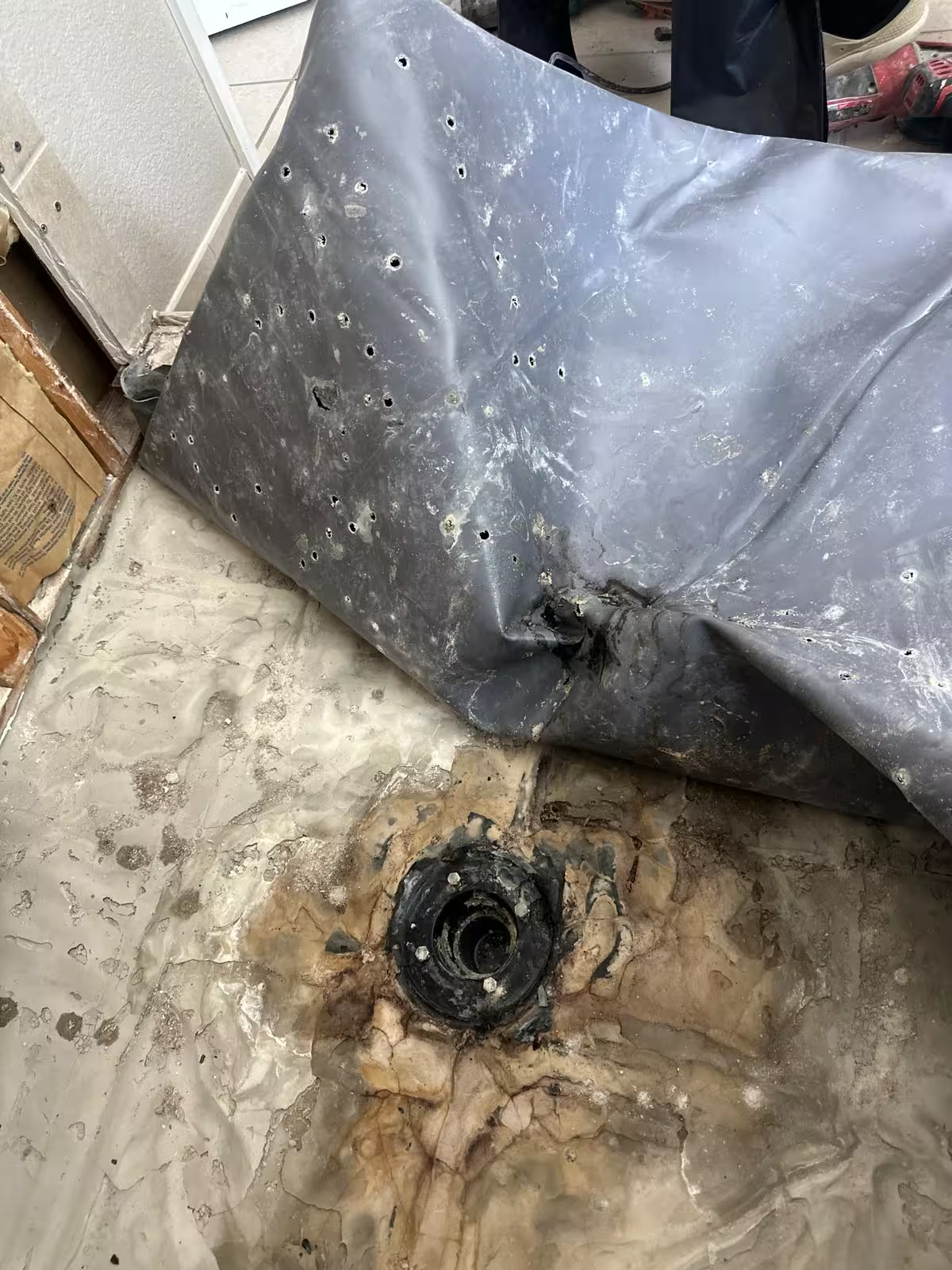
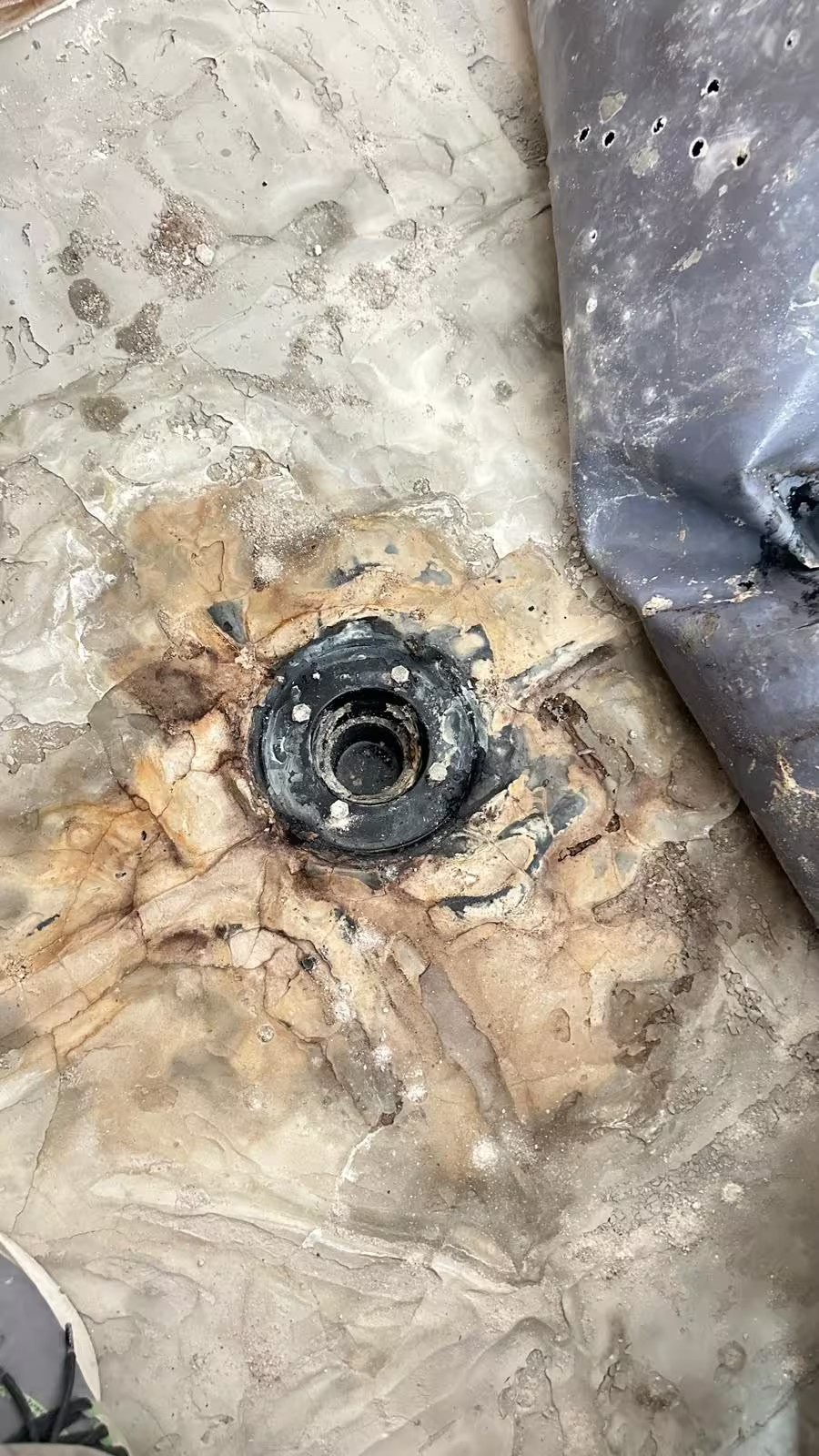
We opened the shower carefully and removed one row of wall tile along with the existing shower pan. Once the pan was exposed, the failure became obvious. The old base was leaking, some areas had been damaged by screws, and critical rubber corner pieces were missing. What looked like a surface issue from below turned out to be a waterproofing failure inside the shower assembly itself.
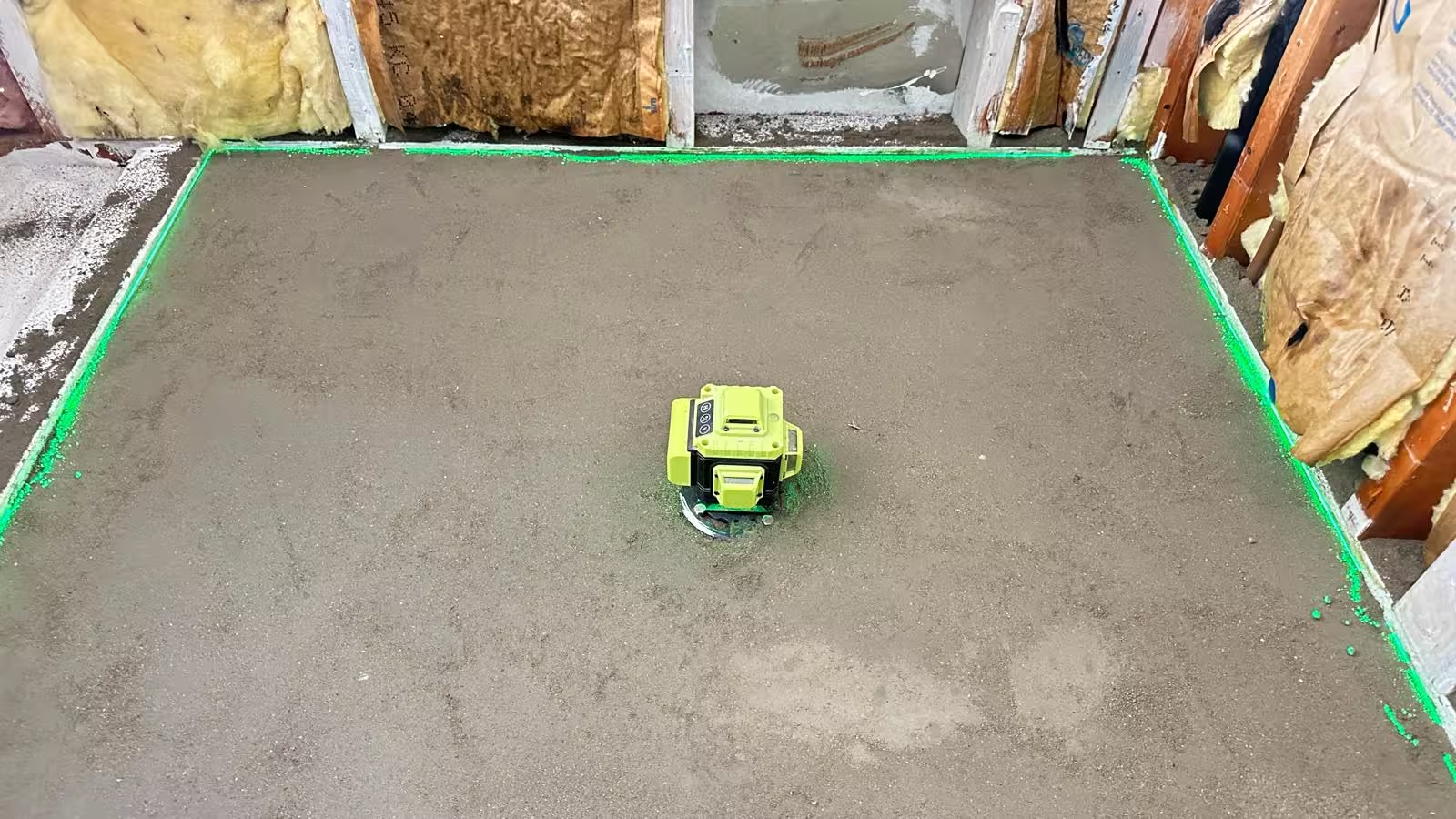
After the old pan was removed, we dried the area thoroughly, treated the affected surfaces with KILZ, rebuilt the base with a proper pre-slope, installed a new liner, formed the top mortar layer, and finished the floor with mosaic tile. The bench and wall transitions were waterproofed with a liquid-applied RedGard system, reinforcing tape was installed at the corners, and the wall tile was reset so the shower could go back into service with a much more reliable base.
Project Details
Location
DTC area, CO
Project Type
Targeted shower pan repair
Problem
Ceiling leak from failed pan
Approach
Partial rebuild — walls preserved
Scope of Work
- Remove lower tile row & failed pan
- Dry & treat with KILZ
- New pre-slope & PVC liner
- Upper mortar bed
- RedGard bench & transition waterproofing
- Reinforcing tape at corners
- Mosaic tile floor & wall tile reset
The Challenge
This was not a cosmetic shower update. It was a leak investigation and targeted pan rebuild. The ceiling leak below the shower was the homeowner's first warning, but once demolition began, it became clear the shower pan itself had failed. The existing assembly had punctures from fasteners, missing liner treatment at the corners, and clear signs that the waterproofing had not been completed the way a liner-based shower base should be.
The challenge was to correct the failed pan without turning the project into a complete wall-to-wall shower rebuild. That meant preserving as much of the existing wall tile as possible while still opening enough of the lower section to remove the bad materials, dry the structure, and rebuild the wet-area assembly correctly from the bottom up.
Our Solution
Targeted pan rebuild — from leak diagnosis to a restored, watertight shower floor
Demolition & Damage Inspection
We began by removing the bottom section of tile and demolishing the old shower pan so the problem could be inspected directly. Once the failed materials were out, the extent of the damage was clear — punctured liner, missing corner treatment, and moisture throughout the base assembly.
Drying, Treatment & Preparation
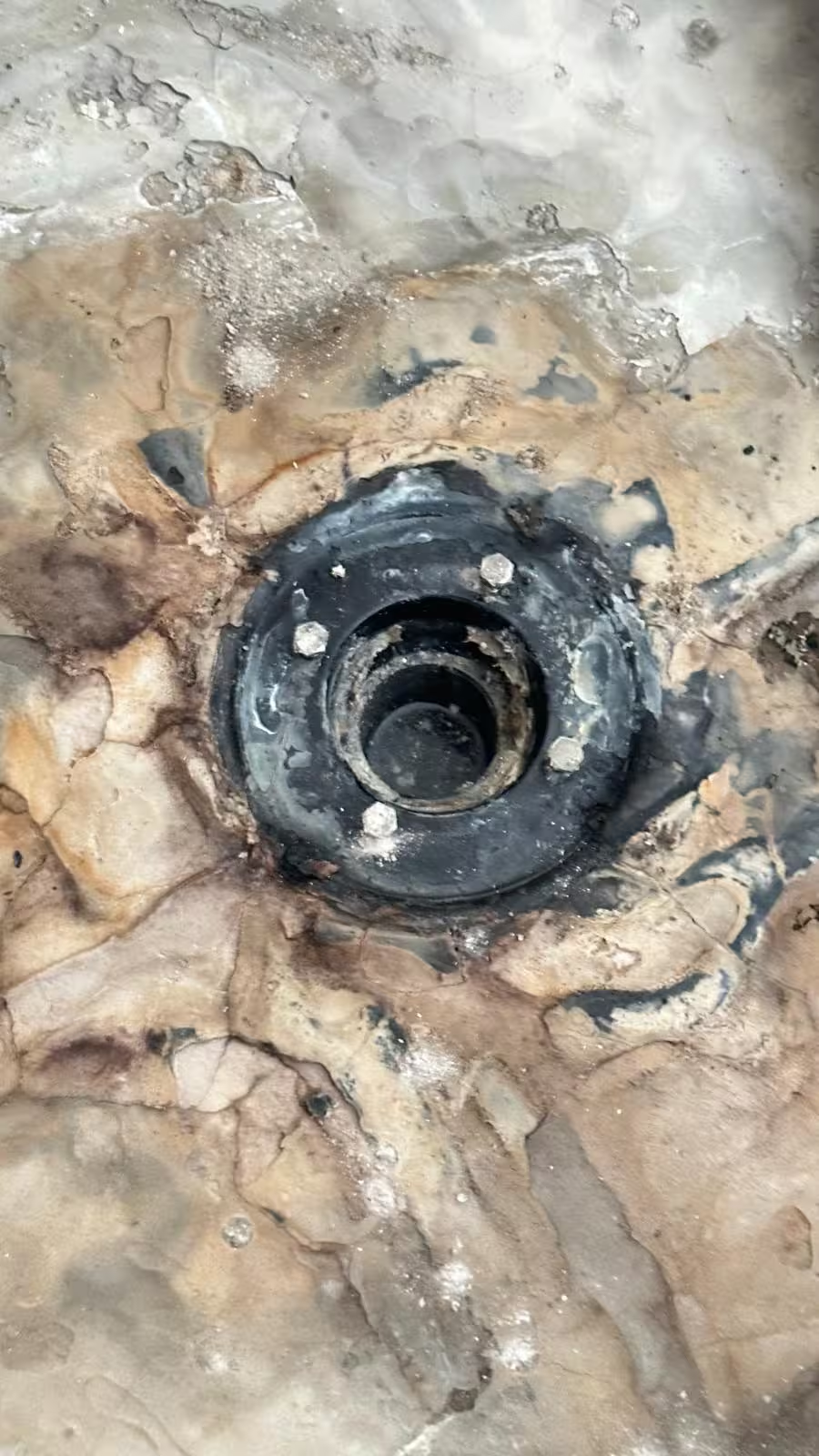
After removing the failed materials, we dried the area thoroughly and treated the exposed surfaces with KILZ to help seal and prepare the substrate after moisture exposure. This step is critical — rebuilding over damp or untreated wood sets the new installation up for the same problems.
Shower Pan Reconstruction
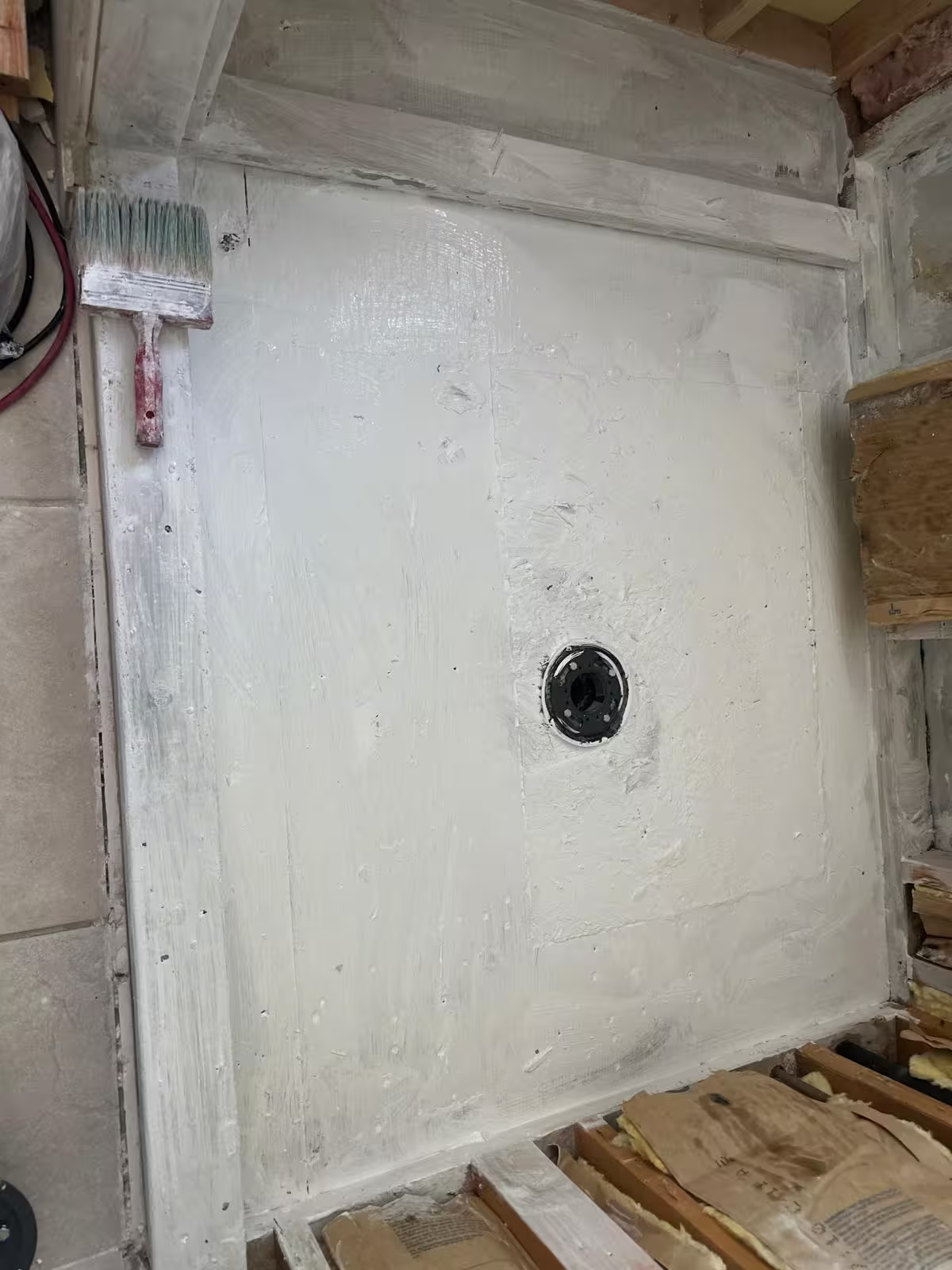
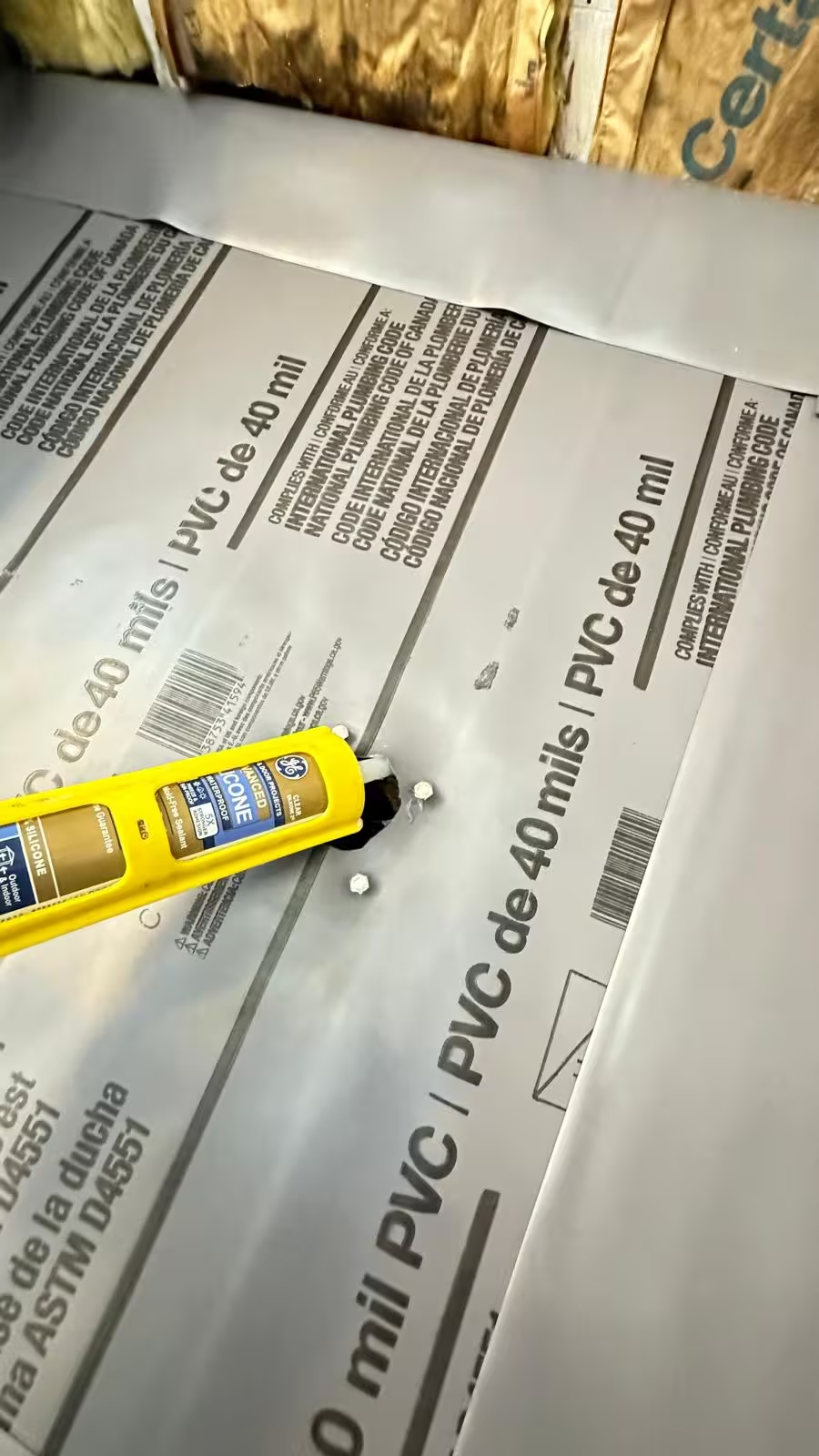
We rebuilt the shower floor in the correct sequence. A new pre-slope was formed first so water would be directed properly toward the drain. After that, we installed a new rubber liner, followed by the upper mortar layer that created the tile-ready shower floor.
The corners were reinforced with waterproofing tape, the bench was treated with RedGard liquid membrane, and the wall transitions in the wet area were waterproofed before tile was reinstalled. This allowed the repaired lower section to tie back into the existing wall finish correctly.
Mosaic Floor & Tile Reset
The final floor surface was finished with mosaic tile, which works especially well on a shower base because the smaller pieces follow the slope more naturally around the drain. The wall tile was then reset so the shower could go back into service with a clean, finished look and a much more reliable base underneath.
Project Gallery
From ceiling leak to rebuilt shower pan — the full repair process
Technical Standards
Industry standards behind a properly rebuilt shower pan
- ASTM D4551 — PVC liner for concealed water containment
- 1/4" per foot pre-slope to drain per Oatey
- Folded corners with adhesive — never cut
- Silicone at inner flange before clamping ring
- Flood test before tile installation
- ANSI A108.13 & A118.10 waterproofing standards
- RedGard meets ANSI A118.10-LV requirements
- Corners coated 2"+ on either side per RedGard TDS
- Reinforcing tape at changes of plane & gaps >1/8"
- Minimum two coats for waterproofing compliance
The Results
The most important result of this project was that the source of the leak was identified and corrected before the homeowner suffered more damage below the shower. Instead of leaving a defective pan in place, we removed the failed assembly, rebuilt the floor in the proper sequence, and waterproofed the repaired wet-area transitions before resetting tile.
Visually, the shower was restored with a clean mosaic floor and repaired wall tile. Functionally, the improvement was much more important. The shower now has a rebuilt pan, protected corners, a waterproofed bench area, and a much better chance of performing the way the original installation should have from the beginning.
What Clients Say
Scott & Diane L.
DTC / Greenwood Village
“We noticed a water stain on our downstairs ceiling and feared the worst. South Denver Tile Experts came out, diagnosed the leaking shower pan, and fixed it without tearing the whole shower apart. The mosaic floor looks great and we haven’t had a single drop since. Exactly the kind of targeted, honest work we needed.”
Andrea P.
Centennial / DTC
“Other contractors wanted to demo the entire shower. These guys explained that the walls were fine and only the pan needed rebuilding. They dried everything, treated the wood, rebuilt the base properly, and had the shower back in service faster than we expected. Professional and straightforward the whole way.”
Frequently Asked Questions
Common questions about shower pan repair, liner systems, and waterproofing
A ceiling leak below a shower often points to failure in the waterproofing system rather than just a bad grout joint. In a traditional pan, common causes include punctured liner material, missing corner treatment, and incorrect drain assembly. Oatey’s installation guidance specifically calls for a clamped liner connection at the drain, folded corners, adhesive at the folded areas, and dam corners at curb-to-wall intersections because those are critical leak points.
Sometimes yes. This project is a good example of a partial repair where only the lower section of the shower had to be opened. That approach only makes sense when enough of the shower can be exposed to remove the failed pan, dry the area properly, rebuild the waterproofing, and reconnect the repaired section correctly.
Because the liner needs a sloped surface beneath it so water moves toward the drain instead of sitting flat in the pan. Oatey’s installation guide calls for mortar to be poured at one-quarter inch per foot inward from the wall framing to the top of the drain base before the liner is installed.
Corners are one of the most failure-prone parts of a shower pan. Oatey’s guide says the liner corners should be folded and secured high, adhesive is used at the folded sections, and dam corners are installed where the curb meets the wall framing. When those details are skipped or cut incorrectly, leaks become much more likely.
It helps seal the liner into the clamping drain assembly. Oatey’s liner instructions say silicone caulk is applied around the surface of the inner flange before the liner is folded back over and the clamping ring is tightened down.
Yes, when it is installed according to the manufacturer’s instructions. Custom Building Products states that RedGard meets ANSI A118.10-LV requirements, and its current data sheet says corners and floor-to-wall intersections should be coated beyond the joint, with reinforcing tape embedded at changes of plane and over gaps greater than 1/8 inch for extra seam protection.
TCNA says caulk should be used instead of grout anywhere there is a change in substrate or backing surface, such as wall joints and floor-to-wall transitions, because those surfaces move independently. RedGard’s current technical guidance also points installers to movement-joint details and ASTM-compliant sealant practice for those locations.
Yes. Oatey’s guide says a flood test should be performed after the liner and corner details are completed, with water left in the shower bed for at least two hours to determine whether the installation is watertight before moving on.
Related Services & Resources
Shower Pan Repair Denver
Custom shower pan repair throughout Denver
Shower Pan Inspection Denver
Inspect a pan before tile hides the problem
Shower Remodeling Denver
Custom shower remodels throughout Denver
Where to Browse Tile
Planning a shower repair or rebuild? Browse tile options from these retailers:
Get a Free Quote for Shower Pan Repair
Tell us about your shower leak and we'll provide a detailed estimate
Request a Free Quote
Need Shower Pan Repair in the DTC Area?
We specialize in shower pan repair, leak diagnosis, custom pan construction, waterproofing, and corrective rebuilds throughout the Denver Tech Center and surrounding communities.